
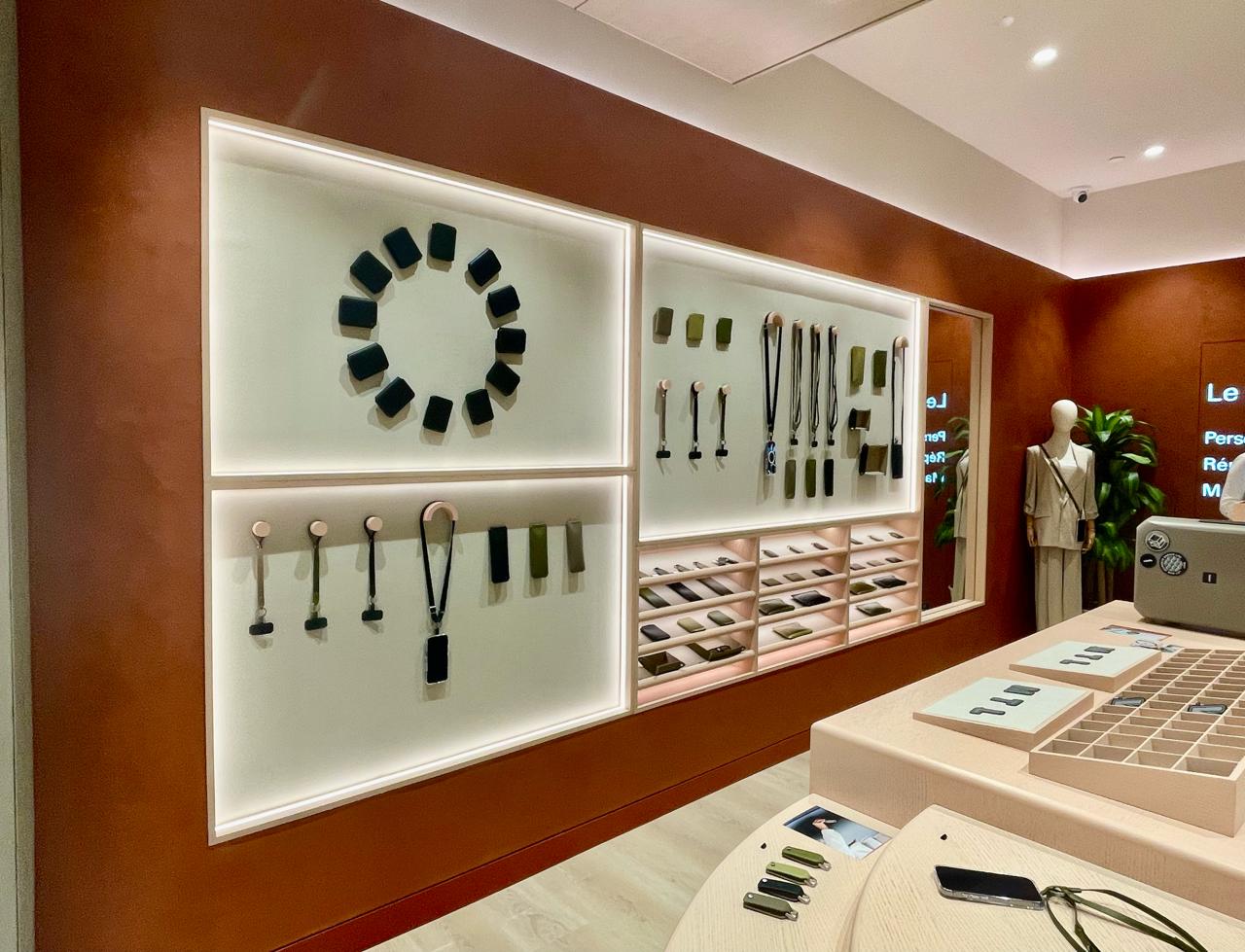
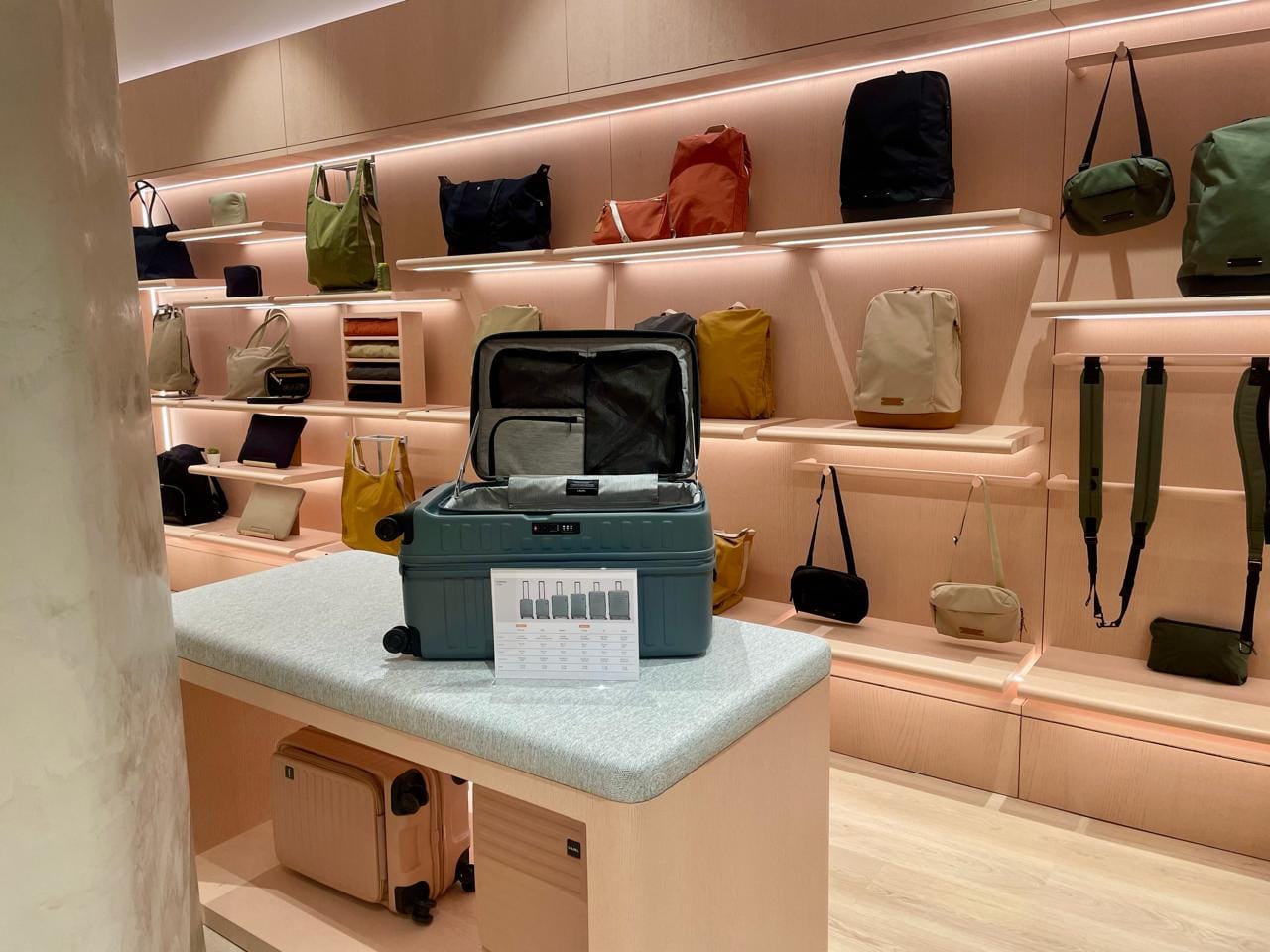
Retail joinery plays an important role in creating a functional and visually consistent retail space. From display cabinets and shelving to counters and storage, the cost of custom joinery can vary significantly depending on the project’s requirements.
Understanding the main cost factors can help retailers plan their budget more effectively.
1. Materials and Finishes
The choice of materials is one of the biggest factors affecting joinery cost. Common options include laminate, veneer, solid timber, glass, metal, and specialized finishes.
Premium materials and customized finishes generally require a higher investment. However, the right choice should also consider durability and maintenance.
2. Design Complexity
Simple shelving and cabinets are generally more straightforward to manufacture. More complex designs, such as curved surfaces, concealed mechanisms, integrated lighting, or intricate detailing, require additional design and fabrication work.
Therefore, a more customized design will usually have a higher cost.
3. Size and Quantity
The overall amount of joinery required naturally affects the project cost. A larger retail space with multiple display units, counters, and storage areas will require more materials and manufacturing time.
However, producing multiple similar units may also improve manufacturing efficiency.
4. Hardware and Accessories
Small components can have a significant impact on the final cost. Hinges, drawer systems, handles, sliding mechanisms, locks, and other hardware come in different quality levels and specifications.
For high-use retail environments, investing in reliable hardware can provide better long-term durability.
5. Customization
One of the main advantages of custom retail joinery is the ability to design furniture specifically around the space and brand. Unique dimensions, colours, branding elements, and specialized functions can increase production requirements and therefore affect the cost.
6. Installation and Project Requirements
The cost of retail joinery does not only involve manufacturing. Delivery, installation, site conditions, access restrictions, and mall requirements can also influence the overall project cost.
For example, retail projects in shopping malls may have specific working hours and delivery procedures that need to be considered during installation.
Planning Your Retail Joinery Budget
There is no single price for retail joinery because every project has different requirements. Materials, design complexity, quantity, hardware, customization, and installation all contribute to the final cost.
Instead of focusing only on the initial price, retailers should consider the quality, durability, functionality, and long-term value of their joinery.